
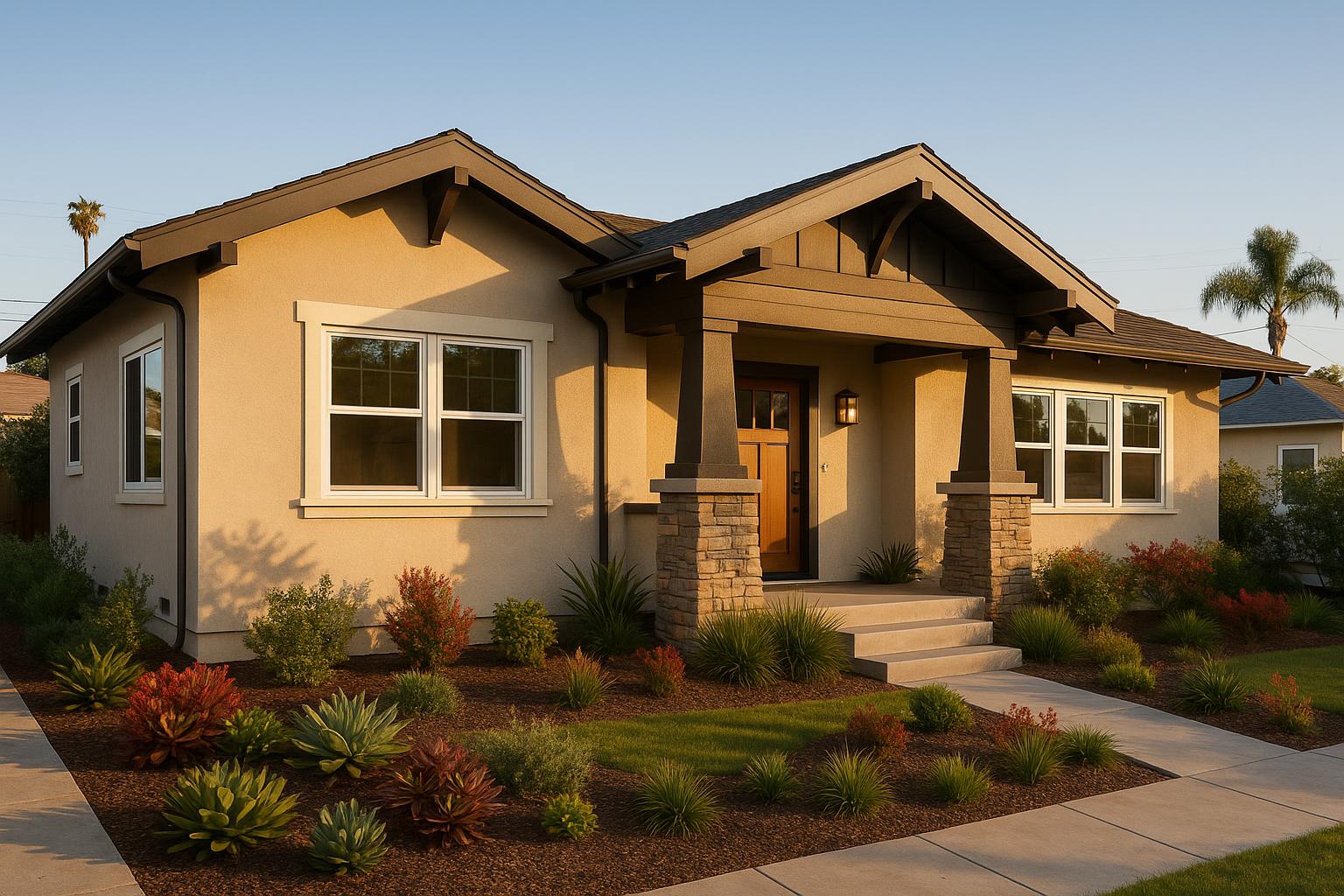
Why San Diego Homeowners Are Adding Rooms Instead of Moving
San Diego's housing market has a way of making homeowners think twice before selling. Between competitive prices, rising interest rates, and the simple fact that you already love your neighborhood, it often makes more sense to expand the home you have rather than start over somewhere new. That's why room additions have become one of the most popular remodeling projects across communities like Del Mar, Poway, Encinitas, and throughout the greater San Diego area.
But adding square footage to your home isn't as simple as knocking out a wall and framing up a new space. There's planning, permitting, budgeting, and design work involved — and getting any of those wrong can turn an exciting project into a headache. Here's how to approach a room addition the right way so you end up with a space you love without the unnecessary stress.
Start With the Why: Define Your Goals Early
Before you call a contractor or sketch anything on paper, get clear on why you need the extra space. Your reason will shape every decision that follows.
- Growing family: A new bedroom, nursery, or playroom may be the priority.
- Work from home: A dedicated home office with separation from the main living areas can boost productivity and home value.
- Aging parents: An in-law suite or accessible bedroom and bathroom addition can keep your family close.
- Entertainment: A larger living room, sunroom, or indoor-outdoor space can completely change how you use your home.
When you know the purpose, you can communicate it clearly to your remodeling team — and they can design a solution that actually fits your life instead of just adding generic square footage.
Understanding San Diego Permits and Regulations
One of the biggest surprises for homeowners tackling their first room addition is the permitting process. In San Diego, virtually any structural addition to your home requires a building permit from the city's Development Services Department. Depending on the scope, you may also need approvals related to zoning, setbacks, lot coverage, and even coastal regulations if you're near the water in areas like Solana Beach or Carlsbad.
Here's what you should know upfront:
- Setback requirements determine how close your addition can be to your property line. These vary by neighborhood and zoning designation.
- Lot coverage limits cap the percentage of your lot that can be covered by structures. If your home already sits near the maximum, your options may be more limited — or you might need to build up instead of out.
- HOA restrictions are common in planned communities throughout the 92130 area and beyond. Always check your CC&Rs before finalizing plans.
- Coastal Development Permits may apply if your property falls within the coastal overlay zone.
An experienced local remodeling contractor will be familiar with these requirements and can help you navigate them efficiently. At Iron Horse Remodeling, we handle the permit process as part of our project management so you're not stuck chasing paperwork on your own.
Budgeting Realistically for a Room Addition
Room additions in San Diego typically range from $250 to $450 per square foot, depending on the complexity of the build, the finishes you choose, and whether plumbing or electrical work is involved. A simple bedroom addition will cost less than a full in-law suite with a kitchenette and bathroom.
Here are a few tips to keep your budget on track:
- Get a detailed estimate before signing anything. A reputable contractor will break down costs by category — framing, electrical, plumbing, finishes, permits, and labor — so you can see exactly where your money goes.
- Build in a contingency of 10-15%. Unexpected issues like outdated wiring, foundation concerns, or material delays happen. A buffer keeps these surprises from derailing your project.
- Prioritize structural quality over cosmetic upgrades. You can always upgrade countertops or fixtures later, but the foundation, framing, insulation, and roofing need to be done right the first time.
- Consider long-term ROI. In San Diego's real estate market, a well-executed room addition can recoup 50-70% of its cost at resale — and sometimes more if it adds a bedroom or bathroom to the home's count.
Design Tips That Make Your Addition Feel Like It Belongs
The last thing you want is a room addition that looks like an afterthought bolted onto the side of your house. Great design makes the new space feel like it was always part of the original home.
Match the Roofline
One of the most common mistakes is a mismatched roof. Your addition's roofline should complement the existing structure in pitch, material, and style. This single detail makes an enormous difference in curb appeal.
Continue Interior Finishes
Flooring, trim, paint tones, and ceiling heights should flow seamlessly from the existing home into the new space. If your current flooring is no longer available, a skilled contractor can help you find a close match or transition the materials in a way that looks intentional.
Think About Natural Light
San Diego gets over 260 sunny days per year — take advantage of it. Strategically placed windows, sliding glass doors, or even skylights can make your new room feel open, bright, and connected to the outdoors.
Plan for HVAC
Don't forget climate control. Your existing HVAC system may or may not have the capacity to heat and cool additional square footage. A good contractor will evaluate this early and recommend solutions, whether that's extending your current ductwork or adding a mini-split system for the new space.
Choosing the Right Contractor for the Job
A room addition is one of the most complex remodeling projects you can undertake. It involves foundation work, framing, roofing, electrical, plumbing, insulation, drywall, and finish work — essentially building a small house attached to your existing one. That's why choosing the right contractor matters more here than almost any other home improvement project.
Look for these qualities:
- Local experience: A contractor who works regularly in San Diego understands local building codes, permit timelines, and the quirks of homes in this region.
- Clear communication: You should never feel left in the dark about what's happening with your project. Weekly updates, honest timelines, and straightforward answers to your questions are non-negotiable.
- Proper licensing and insurance: In California, any project over $500 requires a licensed contractor. Verify their license through the Contractors State License Board.
- A portfolio of completed work: Ask to see examples of past room additions. Better yet, ask for references from homeowners who had similar projects done.
Ready to Add Space to Your San Diego Home?
A well-planned room addition can solve your space problems, increase your home's value, and let you stay in the neighborhood you love. The key is approaching it with clear goals, realistic expectations, and a contractor who treats your home like it matters — because it does.
At Iron Horse Remodeling, we've helped homeowners across San Diego, Poway, Del Mar, and the surrounding communities add beautiful, functional space to their homes. If you're considering a room addition and want to talk through your options, we'd love to hear from you. Reach out for a consultation, and let's figure out the best path forward for your home.